So you've found your photographer for the wedding day, paid the deposit, and locked in the date. That's one of the biggest pieces of your planning puzzle handled, and honestly, it's worth taking a second to feel good about it.
But now what?
Many couples go quiet after booking. They assume the next time they'll hear from their photographer is the morning of the wedding. That's not how I work, and it's not how you should approach this part of the process either. The weeks and months between booking and your big day are when the magic actually gets planned. Here's exactly what to do next so your photos turn out the way you've been picturing them.
Save Every Detail in One Place
Once you've booked, you'll usually receive a confirmation, an invoice, and a welcome message. Don't let any of that get buried in your inbox.
Start a folder, physical or digital, where you keep everything related to your wedding photography. Your contract, your deposit receipt, the email thread where you discussed your vision, and any timelines that get shared with you. When you're three months out and trying to remember what package you chose or how many hours of coverage you have, you'll be glad it's all sitting in one spot.
This matters even more when you're working with several wedding photography vendors at once. Between the venue, the planner, the florist, and your photographer, the details pile up fast. Keeping your photographer's information organized from day one saves you a scramble later.
Confirm the Timeline and Coverage Hours
This is the step most people skip, and it causes the most stress down the line.
Go back and double-check what you've actually booked. How many hours of coverage do you have? Does that start at getting-ready shots or at the ceremony? Is the first dance included, or does coverage end before the reception really gets going?
When I work with couples, we get into the who, what, where, when, and how of the day early. The more time you book, the more we can explore with poses, mood boards, and photo spots. But you need to know your hours before you can plan around them. If you realize you want morning prep shots and you've only booked afternoon coverage, that's a conversation to have now, not the week before.
If anything feels unclear, just ask. A good photographer would rather answer ten questions early than have you worried about it for months.
Talk Through Your Vision Properly
Booking is the start of the conversation, not the end of it.
Before your wedding day, I get on a Zoom call with every couple to talk through the vision. We discuss the details, the feel you're going for, the moments that matter most to you. Some couples want big, show-stopping editorial portraits. Others want me to fade into the background and capture everything naturally as it happens, with real, authentic emotion. Most want a mix of both.
Your photographer can't deliver the wedding photography you're dreaming of if they don't know what's in your head. So take some time as a couple and actually talk about it. What do you want your photos to feel like when you look back on them in thirty years? What are the must-have shots? Are there family members or moments you absolutely need documented?
Write it down and share it. The clearer you are, the better your wedding picture turns out.
Build a Shot List That Actually Helps
A shot list can be useful, but only if it's the right kind.
You don't need to list every single thing you want photographed. Trust me, if you hire a wedding photographer who knows what they're doing, the standard moments are already covered. The ceremony, the rings, the first kiss, the toasts. At G10 Studio, we've got those.
What's genuinely helpful is a short list of the things a photographer wouldn't know to look for. The handkerchief that belonged to your grandmother. The surprise you've planned for your partner. The family dynamic means certain group photos need to happen quickly and quietly. These are the details that make your gallery personal, and they're the ones worth flagging in advance.
Keep it focused. A tight, meaningful list beats a giant spreadsheet every time.
Plan Your Outfits, Hair, and Looks Early
What you wear shows up in every single frame, so it's worth thinking about ahead of time.
When couples book with me, I offer tips and guidance on poses, what clothes to wear, the best hairstyles, and more. Take advantage of that kind of input if your photographer offers it. They've seen what photographs well and what doesn't, and a quick bit of advice can make a real difference.
If you're doing a hair or makeup trial, schedule it well before the wedding. The same goes for any outfit changes you're planning. Knowing your looks in advance also helps your photographer plan, because lighting and location choices can shift depending on what you're wearing and the mood you're going for.
Scout Your Locations and Think About Light
If your photographer knows your venue, great. If not, this is worth a conversation.
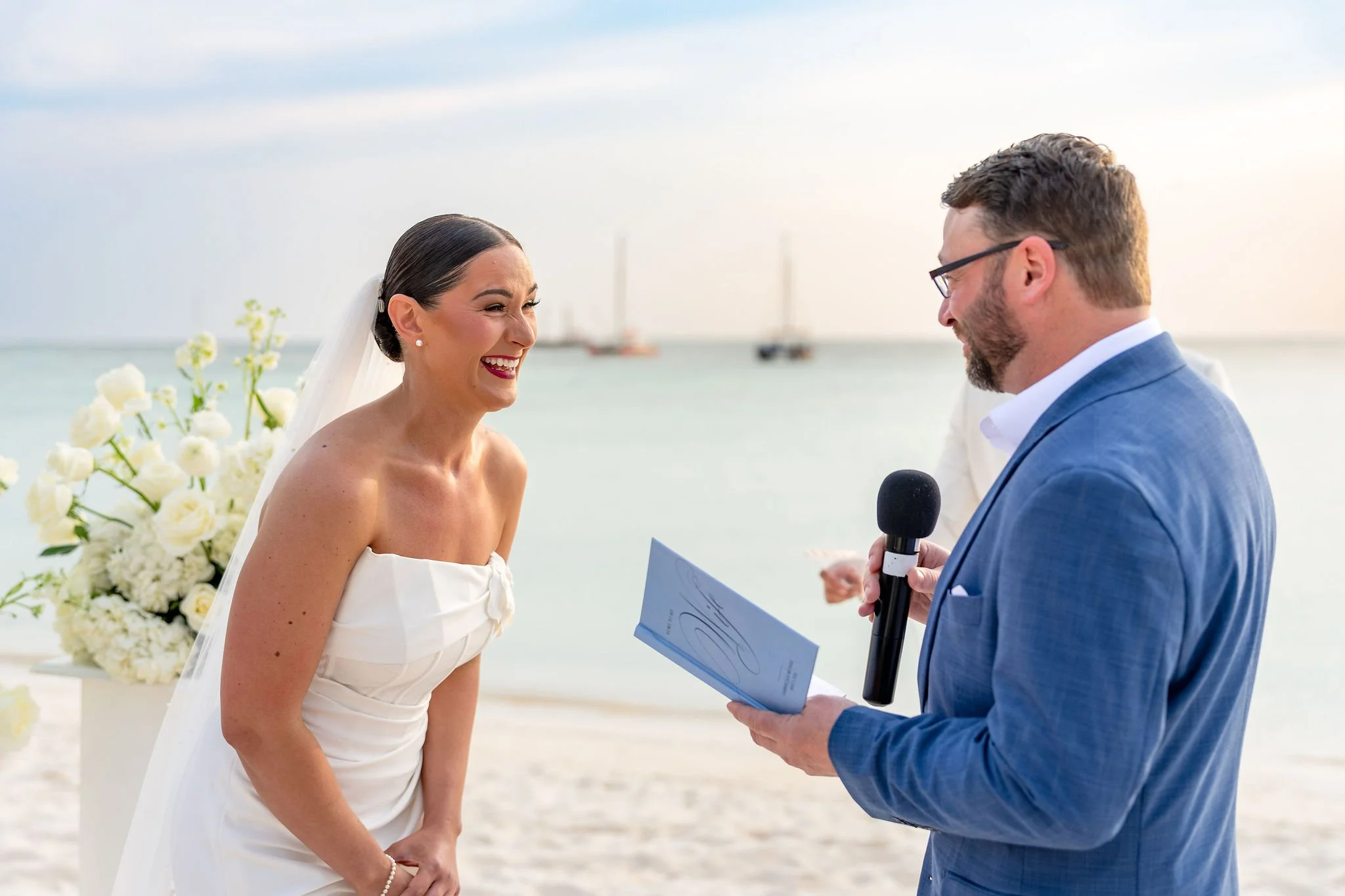
The way your photos are taken affects everything. A beach at sunset gives you completely different images from a garden at noon. When I'm shooting in Aruba, I'm always thinking about how the natural light and the colors of the island will show up in the final gallery, because that's what couples remember most.
Talk to your photographer about timing. Golden hour, the window right before sunset, is when light is softest and most flattering. If you can build even fifteen minutes of dedicated portrait time into your day around that window, your couple's portraits will thank you for it.
Stay in Touch, but Trust the Process
Here's the part where you get to relax a little.
Once you're booked, you're locked in. I keep in touch with my couples right up until the day comes, so you're never left wondering what's happening. You don't need to chase your photographer or check in every week. What you do need is to respond when they reach out, especially as the date gets closer and timelines, final headcounts, and last details start getting confirmed.
The goal is a stress-free experience from start to finish. That only works when both sides stay in the loop. Answer the emails, hop on the calls, and let your photographer handle the rest.
Know What Happens After the Wedding
It's easy to forget that the work continues after the last dance.
After your wedding, you'll receive an online link to a personal gallery with all your photos. From there, you can download everything, share it with friends and family, and order prints, canvases, or albums in the highest quality. Knowing this in advance sets your expectations. You're not getting a USB stick handed to you at the reception. You're getting a properly edited, professionally delivered gallery that you'll have forever.
Ask your photographer roughly how long editing takes so you know when to expect your photos. Then enjoy the wait, because opening that gallery for the first time is one of the best parts.
Final Thoughts
Booking your photographer is a huge step, but it's the beginning of the relationship, not the finish line. The couples who get the best photos out of their time with G10 Studio are the ones who stay engaged after booking. They organize their details, confirm their coverage, talk through their vision, and trust their photographer to do what they do best.
Do the work in these weeks and months, and your wedding day photography becomes one less thing to worry about. You show up, you're present, you enjoy your day, and you walk away with a gallery that takes you right back to that moment every time you look at it.
If you've booked your date and want to start planning the details, get in touch and let's talk through your vision.
Frequently Asked Questions
What should I do right after booking my wedding photographer?
Save all your booking details, contract, and receipts in one place, then confirm your coverage hours and timeline. From there, start talking through your vision with your photographer so they understand the look and moments that matter most to you.
How far in advance should I hire a wedding photographer?
For weddings, it's best to book at least six months before your date to make sure your photographer is still available. Photoshoots can typically be booked closer to the date, but popular wedding dates fill up fast, so earlier is always safer.
Do I need to give my photographer a shot list?
A short, focused shot list helps, especially for personal or surprise moments your photographer wouldn't know about otherwise. You don't need to list standard shots like the ceremony or first kiss, because an experienced photographer already captures those.
How do I make sure my wedding photos look the way I want?
Talk through your vision before the day, ideally on a call, and be clear about the style and feel you're after. Sharing your must-have moments and trusting your photographer's guidance on outfits, poses, and timing makes a big difference in the final gallery.
When will I get my wedding photos after the day?
You'll receive your photos through a personal online gallery where you can download everything and order prints or albums. Ask your photographer for their editing timeline after booking so you know roughly when to expect your finished gallery.