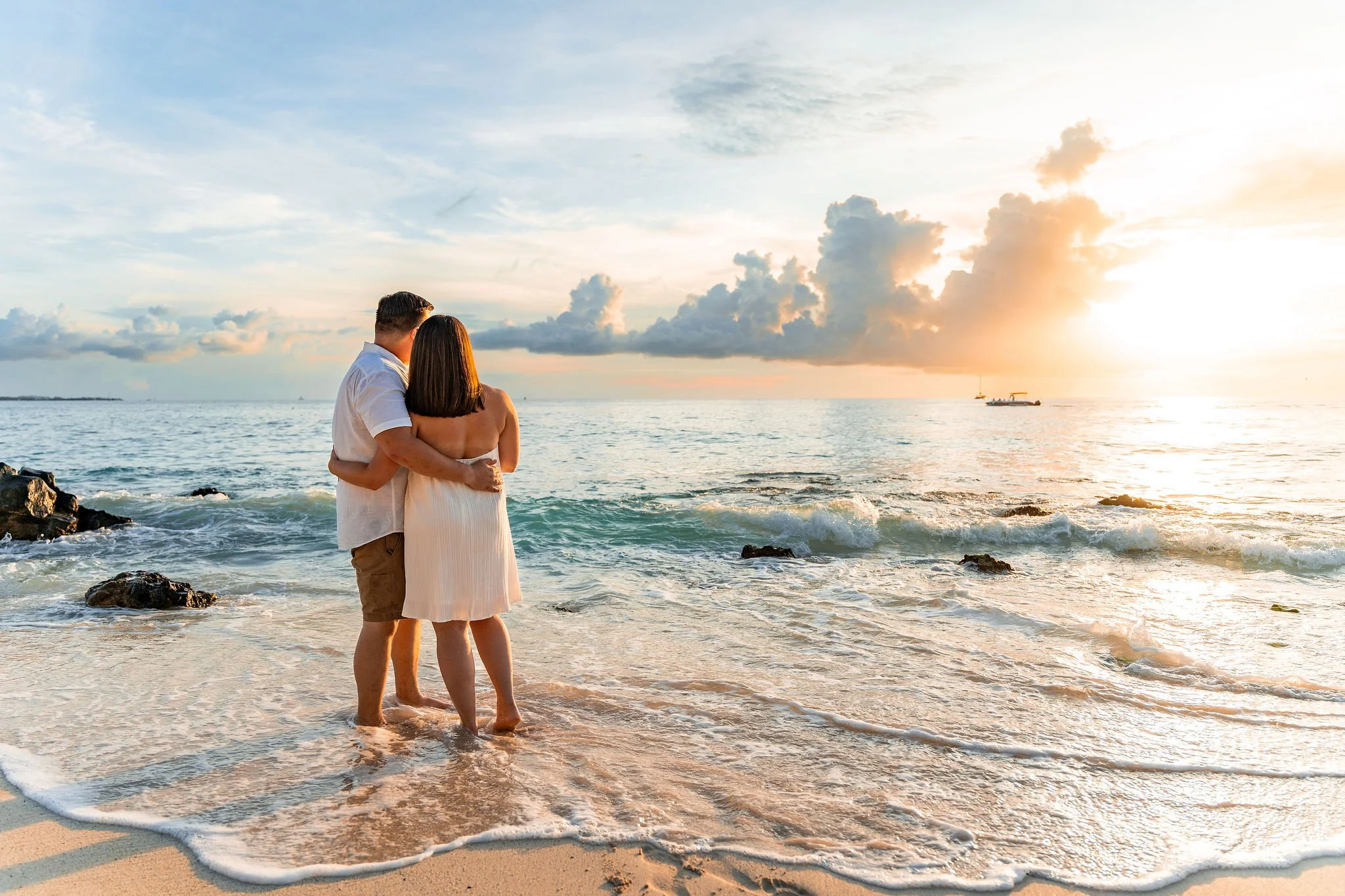
You've booked the trip, picked the resort, and now you want photos that actually look like the Aruba in your head: that ridiculous blue water, the warm light at the end of the day, the divi-divi trees leaning sideways in the wind. The catch is that searching "Aruba photographers" hands you a long list of names, and they are not interchangeable. One shoots weddings beautifully but goes quiet when a toddler won't sit still. Another has a stunning feed and takes three weeks to answer an email. Picking well is less about scrolling Instagram and hoping and more about knowing what to actually look for.
Here's how to do that, step by step, so you come home with images you'll still want on the wall years later.
Figure Out What Kind of Shoot You're Booking
Before you compare anyone, get clear on what you actually need. The right photographer for a quiet sunset proposal is rarely the same one you'd want for a loud 14-person family reunion on the beach.
In Aruba, you'll mostly be choosing between a few types of work:
Couples and engagements: Proposals, anniversaries, honeymoons, or just looking good while you're somewhere beautiful.
Family portraits: Multi-generational groups, kids, the rare photo where everyone's actually together.
Weddings and elopements: Half-day or full-day coverage, often with video and drone as options.
Solo sessions: Travel content, portraits, a fresh set for your own use.
Plenty of photographers handle more than one of these, but most have a clear strength. Ask them directly. Someone who lights up when you describe your shoot is a better sign than someone treating it like one more slot to fill.
Look at Full Galleries, Not Just the Best Frames
A grid of single highlight shots tells you almost nothing. Anyone gets one good frame out of two hundred. What you want is a complete gallery from one real session, ideally, the same kind of shoot you're planning.
A full set answers the questions that matter. Is the quality steady all the way through, or is it five great photos and forty fillers? Can they handle Aruba's bright midday sun and its short, gorgeous golden hour? Do the actual clients in the photos look relaxed, or stiff and unsure? Does the editing hold together across the whole gallery, or does the color jump around frame to frame?
If a photographer won't share a full sample gallery, take note. The good ones are happy to.
Match Their Editing to Your Taste
Editing is where two photographers shooting the same stretch of beach end up with completely different images. There's no correct style, only the one you'll still love in ten years.
You'll generally see a few leanings: light and airy, with soft pastel tones; vibrant and true-to-life, where the water looks the way it actually did in person; or moody and editorial, with deeper contrast and the occasional dramatic black and white. Pull up an example you love and one you don't, then check which way your shortlist leans. A photographer's edit is their signature, so book someone whose style already fits what you want rather than hoping they'll change it for you.
G10 Studio is a useful example here, its look is described as timeless, vibrant, and authentic, with the occasional dramatic black and white depending on the moment, the kind of editing meant to still feel right when you look back on it much later.
Read the Reviews, Then Read Between Them
Star ratings are the floor, not the ceiling. What you're really after is how a photographer makes people feel during the shoot, because that feeling is what shows up in the final photos.
Watch for phrases that repeat. "Made us feel comfortable," "relaxed," "like hanging out with a friend," that's the single best predictor of natural-looking images, especially if you tense up in front of a camera. "Responsive" and "easy to talk to" matter a lot when you're booking from another country. Mentions of getting the gallery back quickly tell you something about how they run their business.
Confirm What's Actually Included
A lot of vacation photo plans go sideways here. Before you put down a deposit, get the details in writing: how long the session runs and how many people it covers, how many finished edited images you'll receive, how and when you'll get them, and whether things like drone footage, video, a second shooter, or extra hours cost more.
Delivery is worth asking about specifically. A private online gallery you can download from is the standard, and it's how G10 Studio delivers through a personal Pixieset gallery where you can download your photos and order prints or albums. Knowing the turnaround time up front saves you from wondering two weeks later when your photos are coming.
Book Early - Aruba Stays Busy
Aruba is sunny and dry pretty much year-round, which is great for photos but also means good photographers stay booked. The most in-demand ones fill up well ahead, especially in the busy winter-to-spring stretch.
A simple rule of thumb: lock in a wedding photographer several months out, and book a portrait or couple session a few weeks ahead at minimum, earlier in peak season. As a reference point, G10 Studio recommends booking weddings at least six months in advance and photoshoots around four weeks ahead. If you've found someone you love, the open date is the thing that disappears first, so reach out before you've nailed down every other detail.
A Quick Pre-Booking Checklist
Run any photographer through this before you pay:
Do they specialize in the kind of shoot you need?
Have you seen a full gallery from a similar session?
Does their editing match what you actually want on your wall?
Do reviews say they're easy, comfortable, and responsive?
Is everything that's included spelled out in writing?
Is your date still open, and can you book it now?
Final Thoughts
The best Aruba photographer for your trip isn't automatically the one with the biggest following or the single flashiest shot. It's the one whose full body of work stays consistent, whose editing matches your taste, whose reviews tell you they're genuinely easy to be around, and who's upfront about what you're getting. Aruba hands you the light and the backdrop for free. Your real job is finding the person who can use it and make you relaxed enough to actually be yourself in front of the lens.
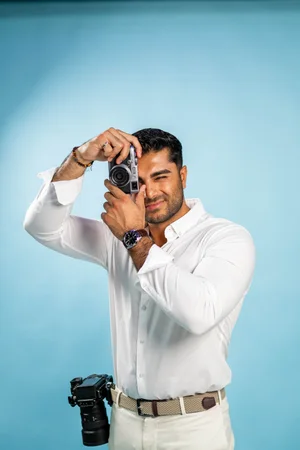
If you want a sense of what that looks like in practice, G10 Studio is a strong example of a documentary-meets-editorial style, with hundreds of five-star reviews built over years on the island, a process designed to feel stress-free from the first email to the final gallery, and a photographer in Jiten who's known for making people feel like they're shooting with a friend. Worth a look before your trip, if only to set the benchmark you measure everyone else against.
FAQs
How far in advance should I book a photographer in Aruba?
Book early, since good photographers stay busy on the island year-round and fill peak dates well ahead. As a general guide, weddings are best booked several months in advance and portrait or couple sessions a few weeks ahead at minimum. G10 Studio, for example, recommends booking weddings at least six months in advance and photoshoots around four weeks in advance.
What's the best time of day for photos in Aruba?
Golden hour, the hour or so after sunrise and before sunset, gives the softest, most flattering light and the richest color on the water. Midday sun is harsh and creates strong shadows, so most photographers schedule around early morning or late afternoon. A local photographer can recommend the best window for your specific spot.
How many photos will I receive from an Aruba photoshoot?
This varies by photographer and session length, so confirm the exact number of finished, edited images before booking rather than assuming. A short session naturally delivers fewer images than a longer one. Make sure any quote specifies edited high-resolution photos, not just unedited previews.
How do I get my photos after the shoot?
The standard is a private online gallery you can access, download, and share. G10 Studio, for instance, delivers through a personal Pixieset gallery where you can download your photos and order prints or albums. Ask about turnaround time when you book, so you know roughly when to expect them.
Do I need a local Aruba photographer, or can I bring my own?
A local photographer is usually the better choice. They know the best beaches and quieter spots, understand how the island's light and weather behave through the day, and can handle the logistics a visiting photographer might not. That local knowledge tends to mean better images with a lot less stress.
What should I wear for a beach photoshoot in Aruba?
Light, breathable fabrics in colors that work best with the blue water and pale sand in the photograph. Soft neutrals, pastels, and flowing materials are reliable choices. Skip large logos and busy patterns that pull attention away from your faces. Many photographers send styling guidance once you book, so it's worth asking.